


A strawberry moon will give residents another reason to look up on the evening of June 30 as June’s full Moon makes its appearance across the country. According to the Dubai Astronomy Group, the event will be visible to the naked eye from anywhere with a clear view of the sky, making it accessible for anyone interested in spending a few moments under the stars.
Although its name often creates the impression that the Moon will appear pink, that is not the case. The Strawberry Moon is simply the traditional name for June’s full Moon. This year, it is also classified as a Micromoon because it occurs when the Moon is near the farthest point in its orbit from Earth. As a result, it appears slightly smaller and less bright than an average full Moon, though the difference is difficult to notice without careful observation.
When and How to See the Strawberry Moon
The Strawberry Moon will reach its full phase on June 30, 2026. In the UAE, moonrise is expected at 7:49 pm, while moonset will take place at 6:25 am, according to the Dubai Astronomy Group.
The event can be enjoyed without any special equipment. Anyone with a clear view of the horizon should be able to see the full Moon. Binoculars or a telescope are optional but can reveal more detail, including craters and other features on the lunar surface.
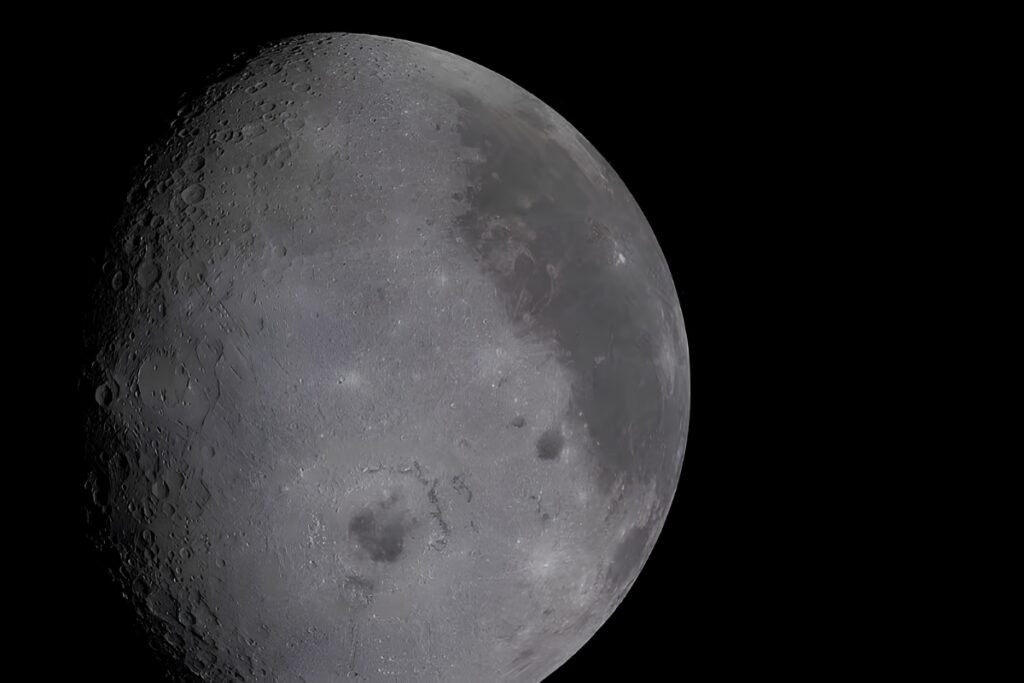
The best time to watch is shortly after moonrise or just before moonset. During these times, the Moon often appears much larger because of an optical effect known as the Moon illusion. Although the Moon does not actually change in size, its position near the horizon makes it appear larger to the human eye.
This year’s June full Moon will also be visible among the faint stars of the Teapot asterism in the constellation of Sagittarius, offering an extra point of interest for astronomy enthusiasts.
Why Is It Called the Strawberry Moon?
The Strawberry Moon gets its name from Native American traditions, where the June full Moon signalled the beginning of the strawberry harvesting season. The name has no connection to the Moon’s colour and has remained one of the most widely recognised traditional names for the full Moon.
This year’s event is also a Micromoon because it takes place close to the Moon’s apogee, the point in its orbit that is farthest from Earth. While the Moon will appear slightly smaller than usual, the difference is subtle and does not affect everyday life.
Astronomers explain that a Micromoon has no significant impact on Earth. It does not influence weather, earthquakes or human behaviour. The Moon’s gravity continues to affect ocean tides, but the difference compared with a typical full Moon is very small.
The Strawberry Moon also coincides with International Asteroid Day, which is observed every year on June 30. The global awareness day highlights the importance of asteroids, the history of the solar system and the need to monitor objects that pass close to Earth. It marks the anniversary of the 1908 Tunguska event, when an asteroid or comet fragment exploded over Siberia and flattened more than 2,000 square kilometres of forest. Since being officially recognised by the United Nations in 2016, Asteroid Day has encouraged people around the world to learn more about planetary science and the importance of protecting Earth from potential asteroid impacts.