
Every street and neighbourhood in Dubai has a story, and many of those stories are hidden in the names themselves. Long before skyscrapers, shopping malls and master-planned communities, these places were shaped by the desert, the creek, the coast and the people who lived there.
Many of Dubai’s neighbourhood names come from Gulf Arabic and reflect the city’s close connection to tribal life, trade and the natural landscape. Some meanings are well documented, while others come from local history and oral tradition, which means a few names have more than one possible explanation.
Here are the meanings behind some of Dubai’s best-known areas.
Deira (ديرة) – The Homeland
One of Dubai’s oldest districts, Deira, is believed to come from the Arabic word dīrah, which can mean home, homeland or tribal territory. The name reflects the area’s early role as a place where families and communities settled and built their lives.
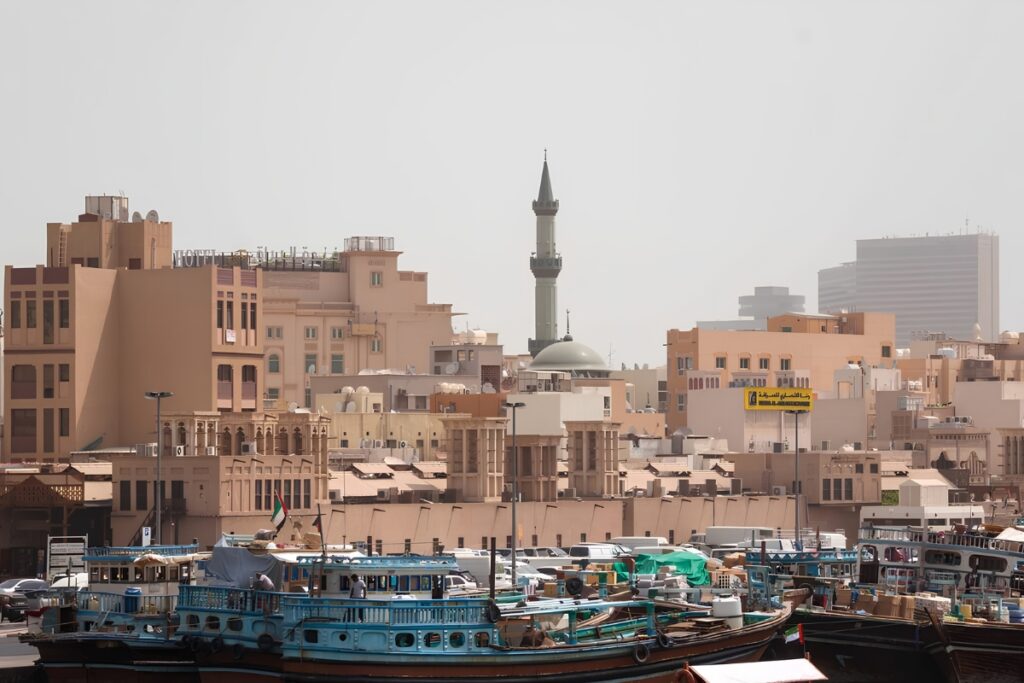
Deira later grew into one of Dubai’s most important trading centres, especially because of its location along Dubai Creek. Today, it remains one of the city’s busiest commercial areas and a reminder of Dubai’s early urban history.
Bur Dubai (بُر دبي) – Mainland Dubai
The word “Bur” means land or mainland in Arabic. Bur Dubai was named to distinguish the mainland side of the historic settlement from Deira, which lies across the creek.
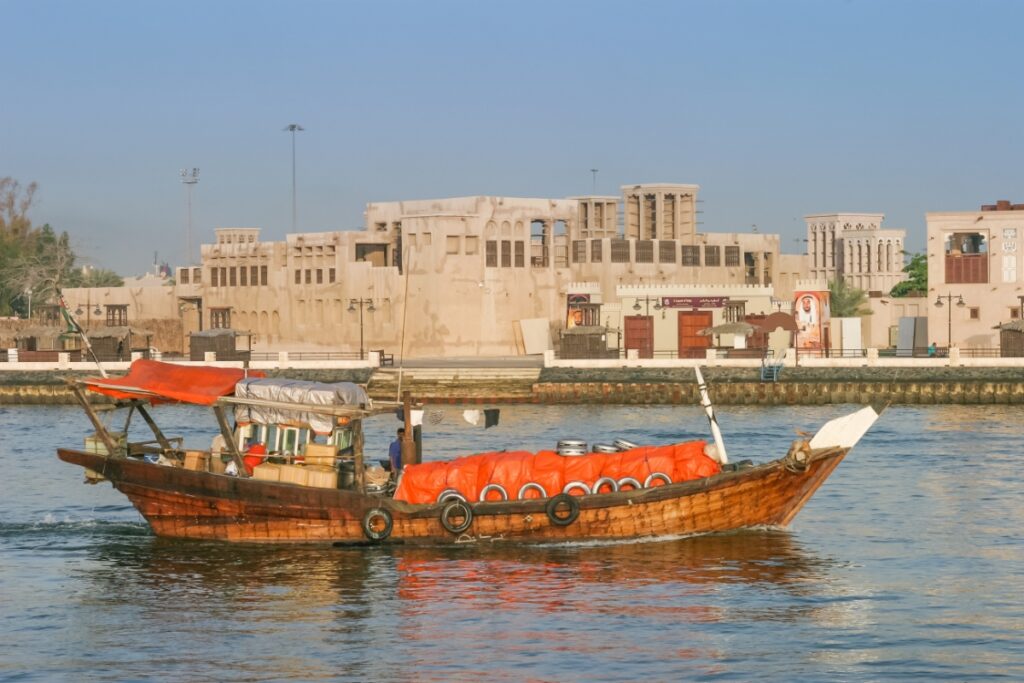
The area is home to some of Dubai’s oldest landmarks, including the Al Fahidi Historical Neighbourhood. Its name still reflects the city’s early geography, when the creek divided the settlement into distinct parts.
Jumeirah (جميرا) – The Glowing Coast
The origin of Jumeirah is often linked to the Arabic root jamr, which refers to burning embers or glowing charcoal. One explanation says fishermen used fires along the shoreline to guide their way home at night.
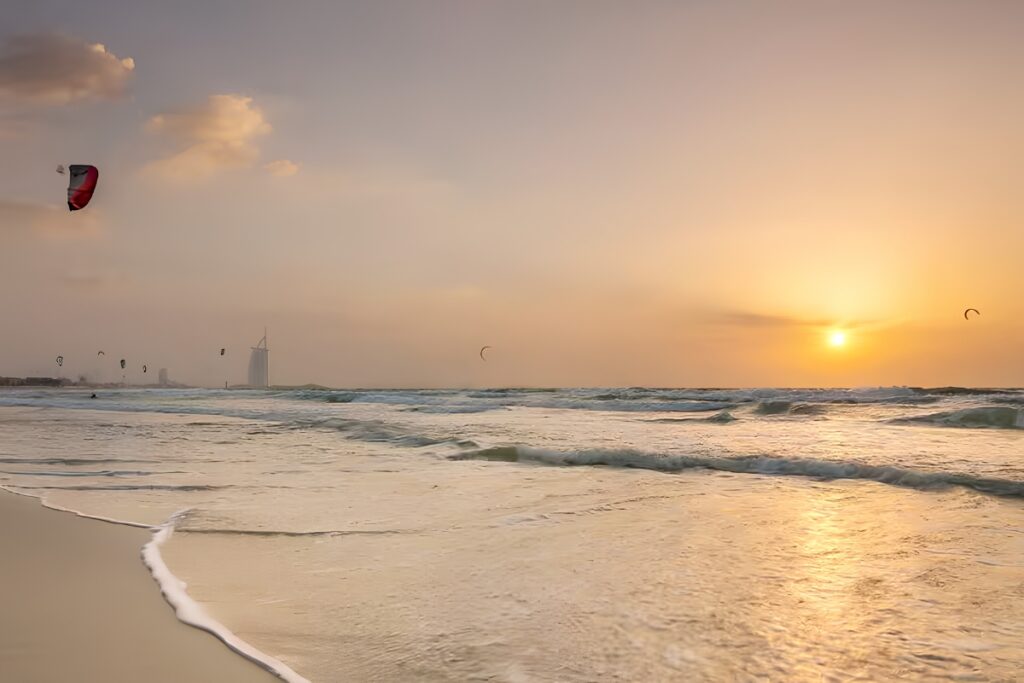
Another interpretation connects the name to the area’s bright coastline and pale sandy beaches. Since there is no single confirmed origin, both explanations are still mentioned in local history.
Al Wasl (الوصل) – The Connection
Al Wasl means “the connection.” The name reflects the area’s historical role as a meeting point and a link between different parts of the region.
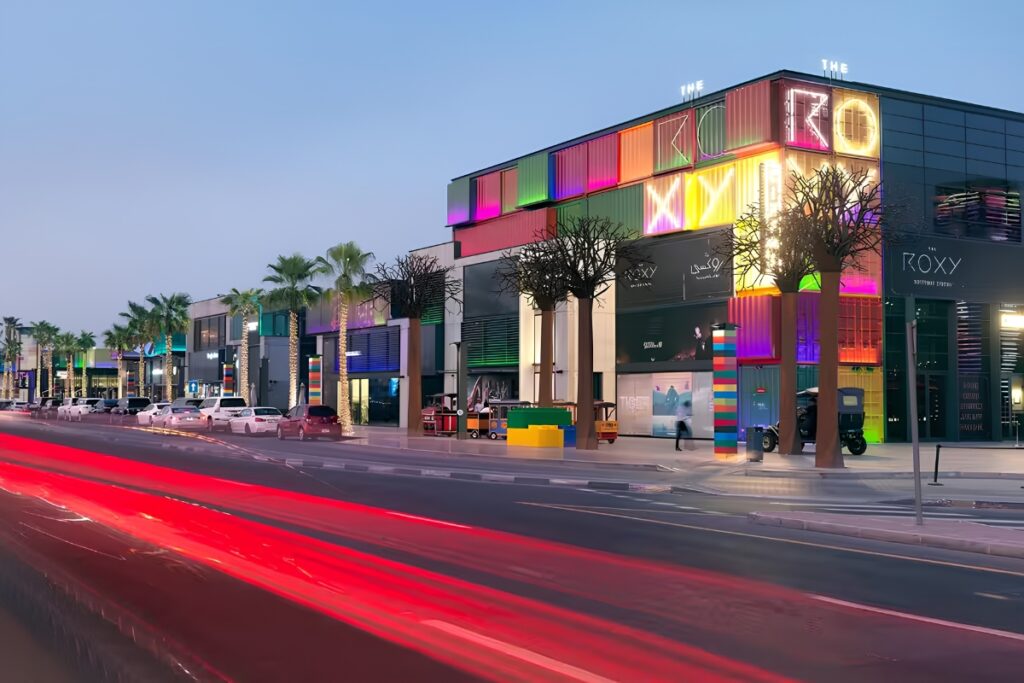
It was also used as an old name for Dubai itself. That connection gives the area a deeper meaning, especially in a city that has long served as a crossroads for trade and travel.
Al Quoz (القوز) – The Sand Dune
The word Quoz is pronounced “Goz” in the local Emirati dialect and refers to a high dune or sand ridge. Before the area became known for warehouses, workshops and galleries, it was shaped by desert terrain.
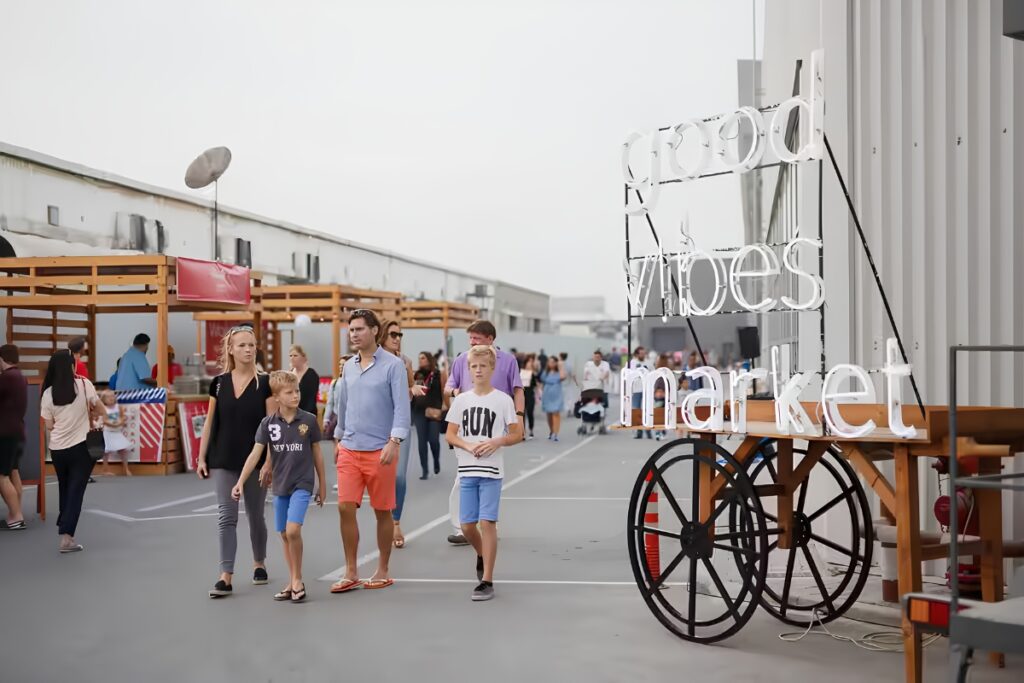
That landscape is still reflected in the name today. Al Quoz has since become one of Dubai’s major industrial districts and has also developed into an important centre for art and culture.
Al Barsha (البرشاء) – The Green Landscape
The name Al Barsha is generally associated with vegetation, grass, or scattered plant life. It likely described an area where small patches of greenery stood out in an otherwise dry landscape.
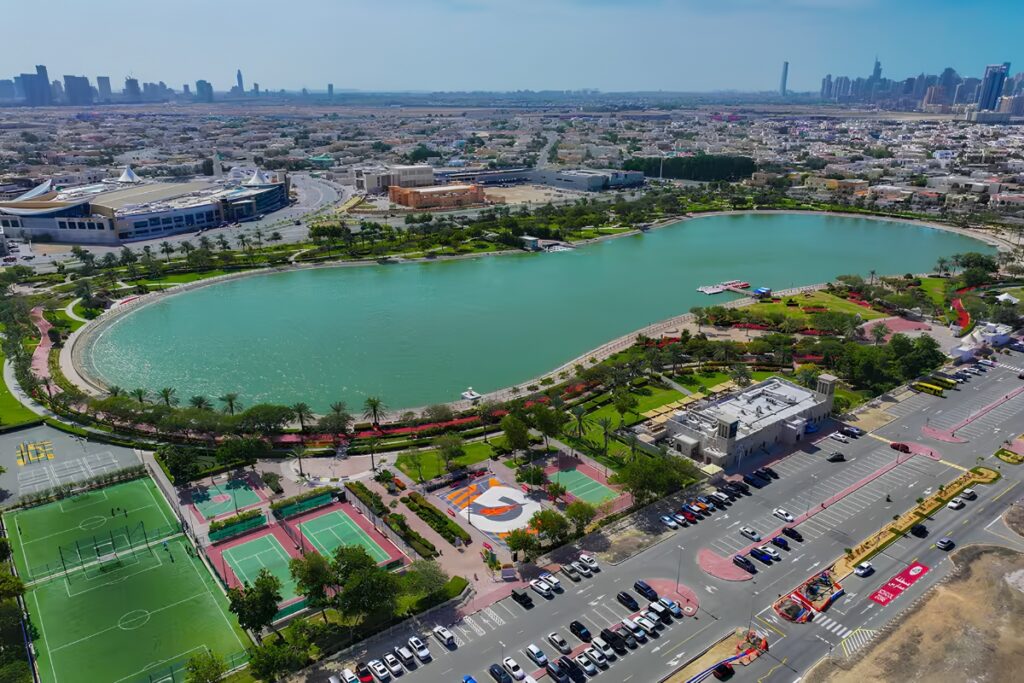
Before it became one of Dubai’s largest residential communities, Al Barsha was known for its desert vegetation. The name offers a glimpse into what the area may have looked like before modern development.
Al Garhoud (القرهود) – The Earthen Mounds
Al Garhoud is believed to derive its name from the hard, earthen or rocky mounds that once covered the area. These natural formations were part of the local landscape near Dubai Creek.
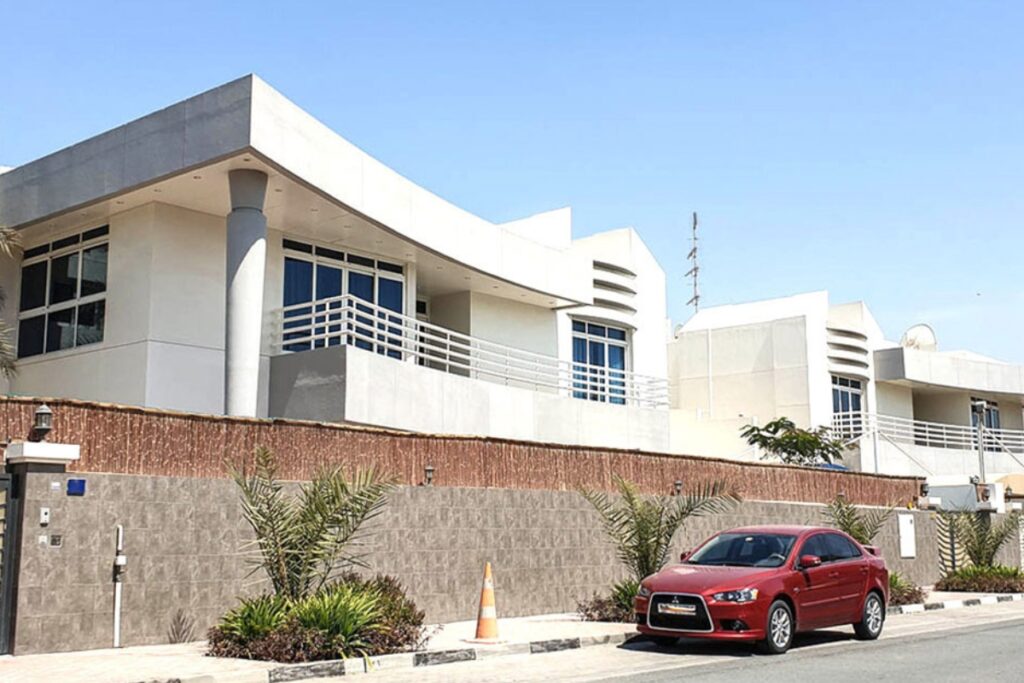
In the past, such materials were also useful in construction. Today, Al Garhoud is best known for its location near Dubai International Airport, but its name still points back to the land itself.
Jebel Ali (جبل علي) – Ali’s Mountain
Jebel means “mountain” or “hill,” so the name Jebel Ali translates to “Ali’s Mountain.” Local history says the area may have been named after a man called Ali who lived on or near the hill.
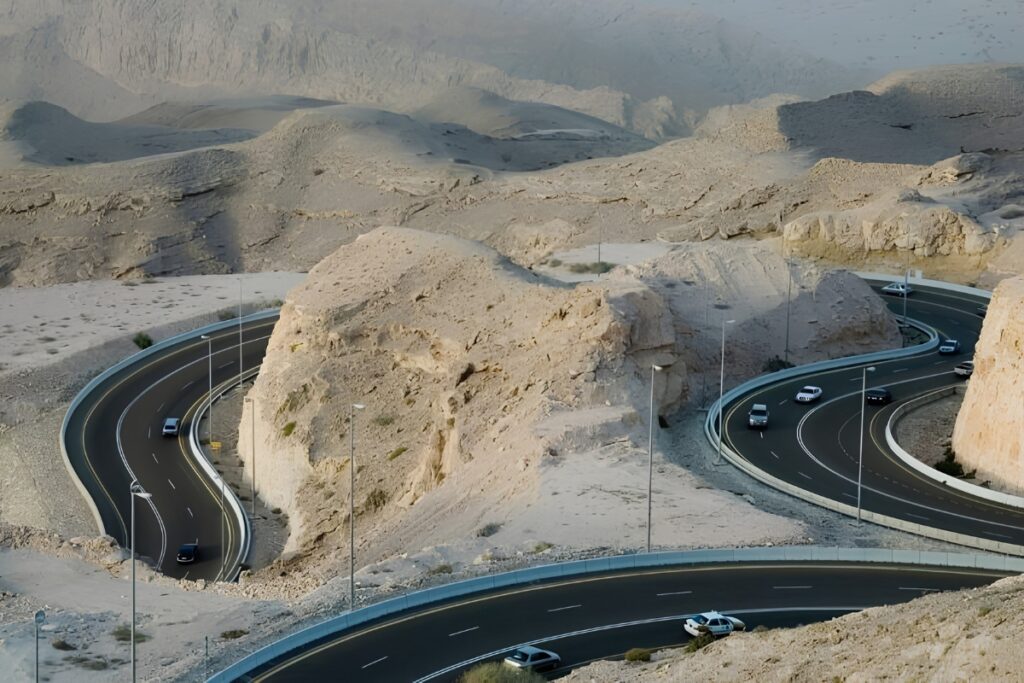
Although Jebel Ali is now known for its port, industrial zone and major developments, the name reflects the area’s original natural features. It is a reminder that Dubai’s modern districts often began as simple landmarks in the landscape.
A Language That Preserves Dubai’s History
Dubai’s place names are more than labels on a map. They preserve traces of the city’s past, from tribal settlements and trade routes to dunes, creeks and coastal landmarks.
They also reflect the local Gulf Arabic dialect, which can affect how certain letters are pronounced. If you hear Al Quoz said as “Al Goz” or notice other local variations, it is part of the living language that continues to shape how Dubai’s history is remembered.