

Dubai Loop project plans are picking up momentum, with a new partnership set to move the city’s futuristic underground transport idea closer to reality.
Global engineering firm Parsons Corporation has been brought on board by The Boring Company, founded by Elon Musk, to support the design and development of the upcoming tunnel network. The agreement will see Parsons provide professional services over the next nine months as early-stage work begins.
What the Dubai Loop could look like
The project, first announced earlier this year, is part of Dubai’s broader push to ease traffic congestion and rethink how people move around the city. Once complete, the Dubai Loop is expected to stretch across 22 kilometres, with 19 stations connecting key business and lifestyle districts.
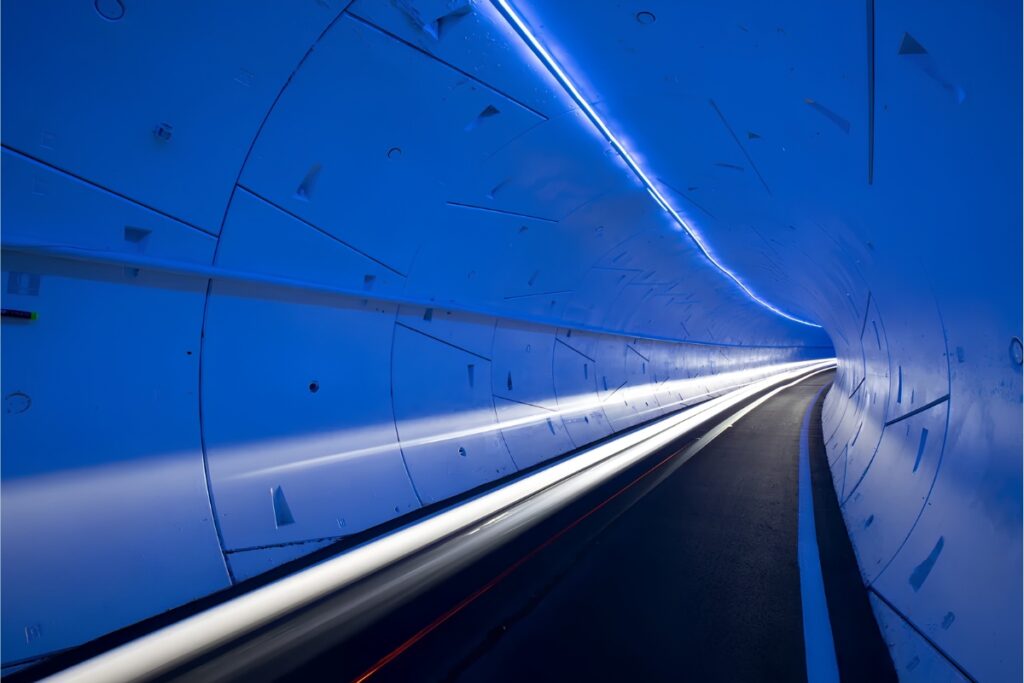
Instead of traditional trains, the system will use autonomous electric vehicles travelling through narrow underground tunnels. Early plans suggest that journeys between the Dubai International Financial Centre and the Dubai Mall could be reduced from around twenty minutes to just three.
The first phase will include stations near Burj Khalifa, DIFC, Zabeel and ICD Brookfield Place, creating a fast link between some of the city’s busiest areas.
A familiar name in Dubai’s infrastructure story
Parsons is no stranger to large-scale projects in the UAE. The company has worked closely with the Roads and Transport Authority on several major developments, including the Dubai Metro Red and Green Lines, Route 2020, and a wide range of road and bridge projects.
Their role in the Dubai Loop will focus on ensuring designs meet technical and regulatory standards while helping move construction plans forward efficiently.
A step toward future mobility
The first phase of the Dubai Loop is expected to cost around Dh565 million and will act as an alternative transport option beneath the city’s roads. The system is designed to carry more than 13,000 passengers daily once operational.
While the concept may sound futuristic, a similar loop system is already operating in Las Vegas, offering a glimpse of how underground transport could work at scale.
For Dubai, the project reflects a continued focus on innovation and long-term urban planning, aligning with the city’s vision to build smarter, faster and more connected ways to get around.
If timelines stay on track, construction is expected to begin later this year, bringing high-speed underground travel one step closer to everyday life in the city.