

Music is often part of the experience when you grab a coffee, settle in for dinner or browse your favourite shops, and new UAE music fees will put a price on that soundtrack. From December 1, 2026, businesses playing copyrighted music will be charged annual fees under a new tariff structure issued by the Ministry of Economy and Tourism.
The charges vary according to the type and size of business, with restaurants, cafes, shops, malls, gyms, hotels and broadcasters all covered by the framework. Here’s a simple look at what the new rules mean for some of the places where you hear music in everyday life.
Cafes and restaurants will have different rates
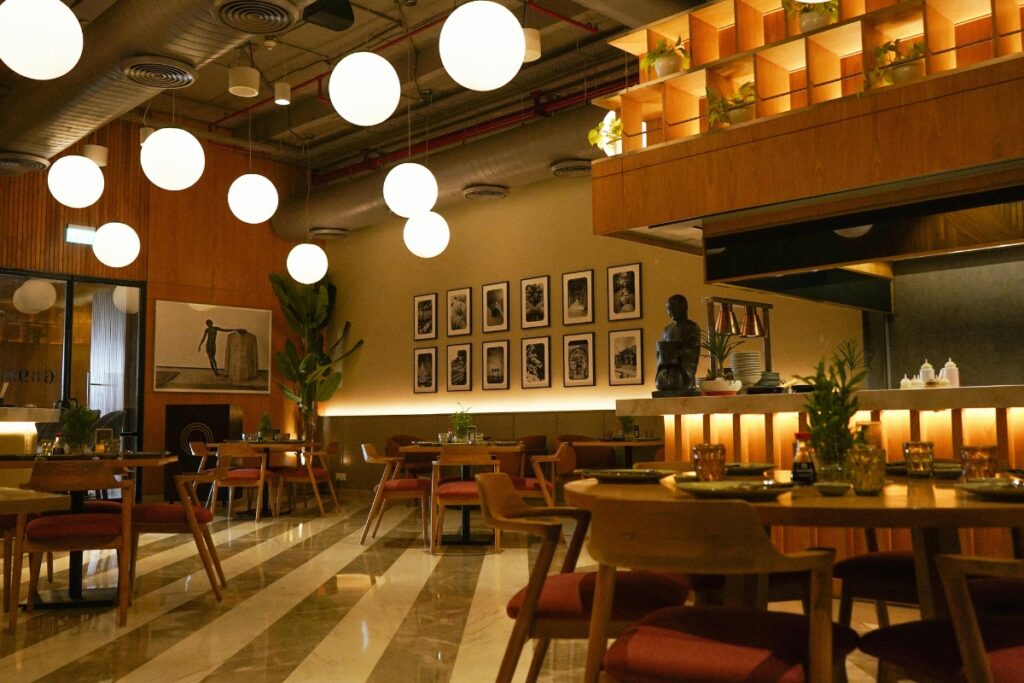
For smaller cafes and restaurants, the annual fee starts at Dh1,500 for venues with up to 50 seats. The charge rises as seating capacity increases.
- Up to 50 seats: Dh1,500
- 51 to 100 seats: Dh2,700
- 101 to 200 seats: Dh4,800
- More than 201 seats: Dh20 per extra seat, capped at Dh6,000
Restaurants and cafes offering DJs, entertainment or nightclub-style experiences fall under a higher tariff. These venues will pay Dh2,500 for up to 50 seats, Dh3,500 for 51 to 100 seats and Dh6,500 for 101 to 200 seats. Additional seats are charged at Dh20 each, with a maximum annual fee of Dh8,000.
Shops will be charged by size
If background music is part of the shopping experience, the fee will be calculated according to the size of the premises.
Spaces measuring up to 300 square metres will pay Dh1,700 a year, while those between 301 and 700 square metres will pay Dh3,400. Larger premises will be charged an additional Dh60 for every 25 square metres, with the annual amount capped at Dh20,000.
Shopping malls have their own tariff, calculated according to the size of their shared areas. The charge starts at Dh625 for the first 100 square metres, followed by Dh50 for every additional 25 square metres, up to a maximum of Dh50,000 annually.
Gyms, hotels and airlines are included too
The music fees stretch beyond places to eat and shop. Fitness centres will pay Dh1,700 for spaces up to 300 square metres, with additional charges for larger facilities and a Dh6,000 annual cap.
Hotels will be charged per room according to their star rating, with rates ranging from Dh50 to Dh150 per room. Radio and television broadcasters will pay a percentage of annual income, while premium airlines offering in-flight entertainment can face fees of up to Dh45,000.
What the new fees are really about
The new system is intended to give music creators and rights holders a clearer framework for collecting royalties when their work is played commercially. This includes composers, songwriters, performers, musicians, sound recording producers and music publishers.
Licensed collective management organisations will oversee the collection and distribution of these rights under permits issued by the ministry. A Cultural Fund will also receive a share of the collected revenue, to support musicians and help Emirati music reach wider regional and international audiences.
There are exemptions too. Government entities, educational institutions, national occasions and non-commercial personal celebrations will not be subject to these fees.
For Dubai’s cafes, dinner spots, retail spaces and other businesses where music helps set the mood, December 1, 2026 is the date when the new tariff structure comes into effect.