
Dubai has spent decades building a reputation as a city that thinks ahead. From the world’s tallest tower to man-made islands and fully automated metro systems, many of the projects once considered impossible have eventually become part of the city’s everyday reality.
Now, Dubai is entering another major phase of transformation. A new generation of mega projects is beginning to reshape the emirate once again, with plans focused not just on tourism and real estate, but also on sustainability, mobility, culture, wellness and long-term quality of life.
Some of these projects are already under construction, while others remain part of Dubai’s long-term vision. Together, however, they offer a glimpse into how the city could look and function over the next two decades.
1. Dubai Loop
One of the most ambitious mobility concepts currently proposed in Dubai is THE LOOP, a 93-kilometre climate-controlled cycling and walking network designed by sustainability developer URB.
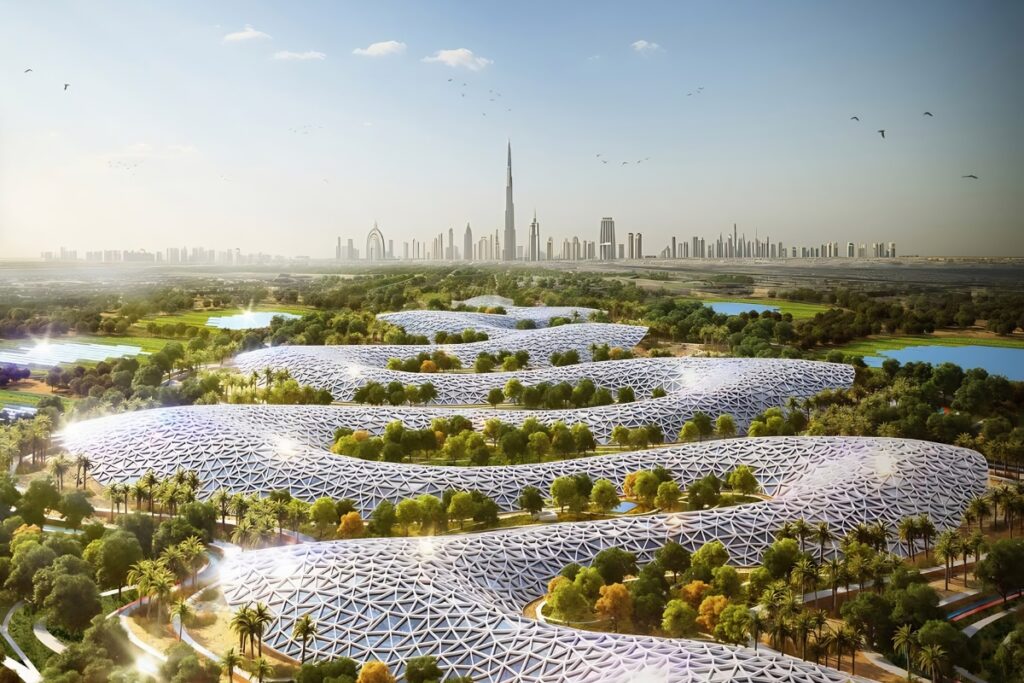
The project aims to connect more than 3 million residents through shaded, temperature-controlled pathways, encouraging people to walk or cycle rather than rely on cars for short-distance travel.
2. Dubai Creek Tower
Dubai Creek Tower remains one of the city’s most closely watched developments. Located within Dubai Creek Harbour, the tower is designed by Spanish architect Santiago Calatrava and is expected to become another defining feature of Dubai’s skyline.
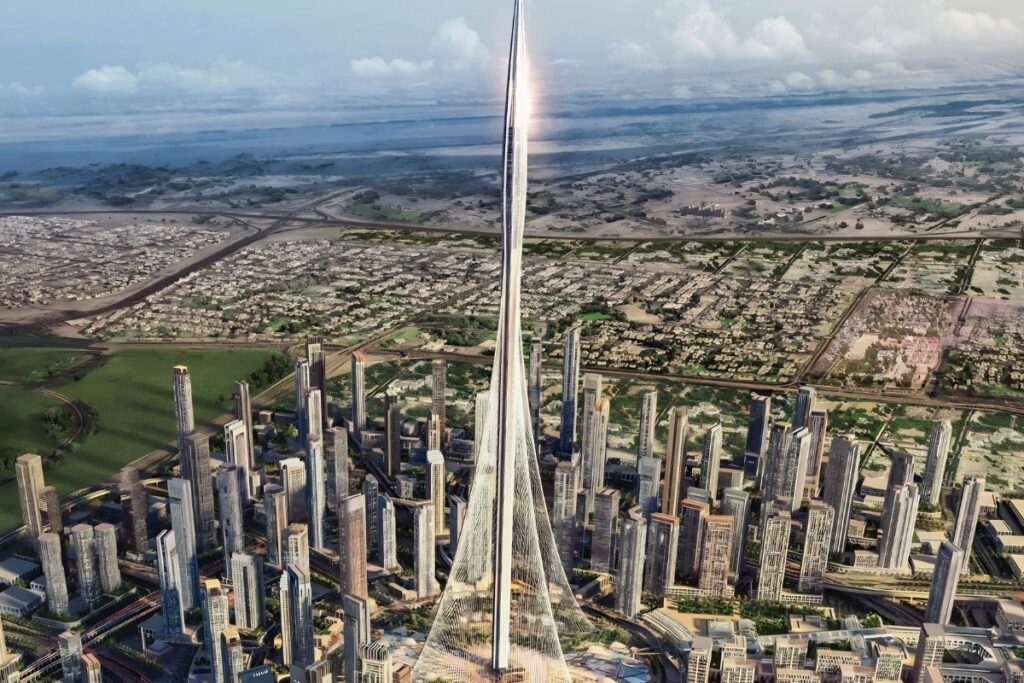
Inspired by traditional Arabian minarets and the lily flower, the structure is planned to include panoramic observation decks overlooking Dubai Creek, Downtown Dubai and Ras Al Khor Wildlife Sanctuary.
3. Dubai Floating Museum (DUMA)
Dubai’s future cultural landscape is also evolving through projects such as the Dubai Museum of Art (DUMA).
Planned for Dubai Creek, the floating museum is designed by internationally renowned Japanese architect Tadao Ando. The structure itself is expected to become a landmark attraction, combining minimalist architecture with waterfront design inspired by the sea and pearls.
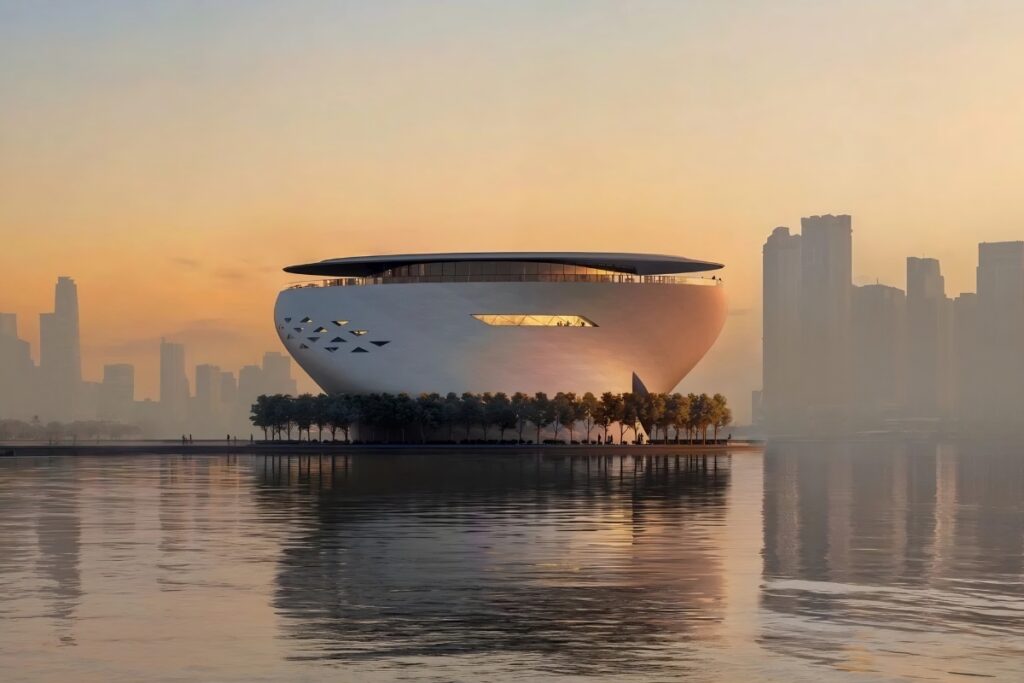
The five-floor museum will include exhibition galleries, cultural spaces, workshops, study areas, a library and hospitality venues. Beyond its architectural appeal, the project reflects Dubai’s increasing investment in creative industries, immersive experiences and cultural tourism.
4. Palm Jebel Ali
Palm Jebel Ali is one of Dubai’s largest revived developments and is expected to significantly expand the city’s coastline lifestyle offering.
Twice the size of Palm Jumeirah, the mega project will include beachfront villas, luxury resorts, marinas, apartments, entertainment districts and public waterfront spaces spread across several neighbourhoods.
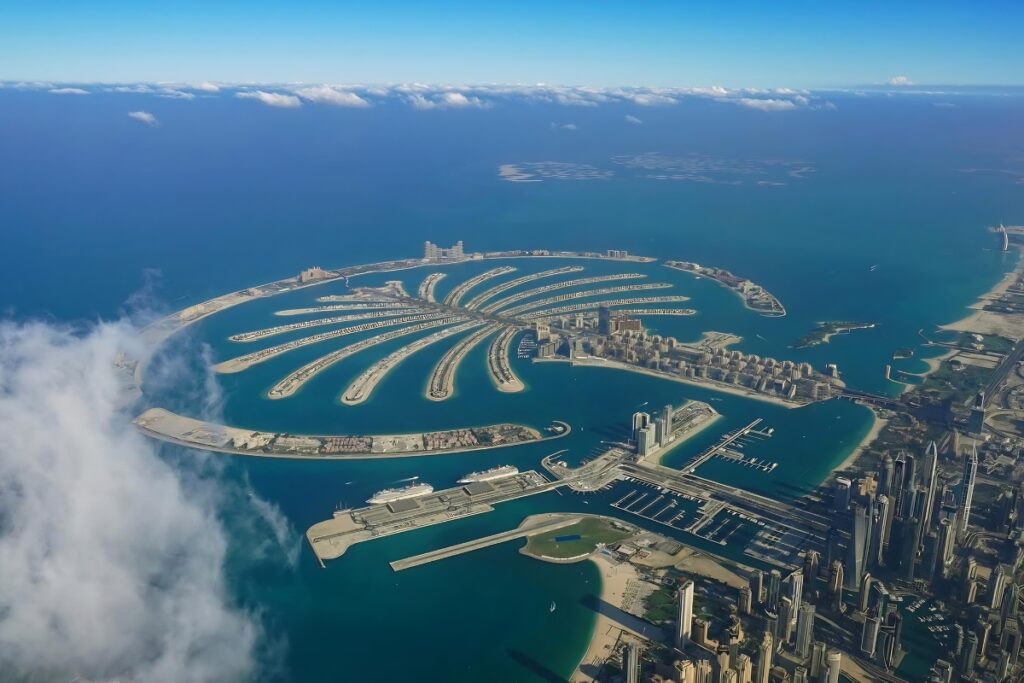
The project is particularly important because it adds new residential and tourism zones to Dubai while also increasing the city’s luxury hospitality capacity. Large green areas, cycling paths and public beaches are also expected to form part of the development.
5. Al Maktoum International Airport Expansion
Dubai’s aviation ambitions are entering a new era through the expansion of Al Maktoum International Airport (DWC).
The airport is planned to eventually replace Dubai International Airport (DXB) and become the world’s largest, with future capacity projected at 260 million passengers annually.
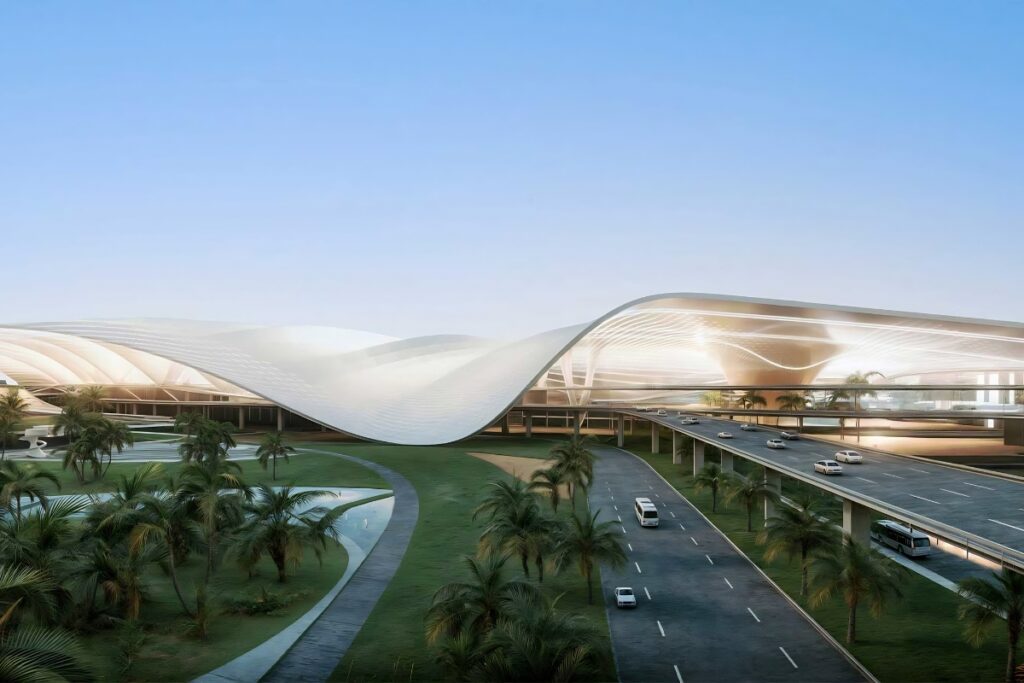
The multi-phase project includes new terminals, underground transport systems, metro links and five runways capable of handling simultaneous aircraft movements. Officials have also confirmed that all operations at DXB will eventually move to DWC.
6. Dubai Reef
As sustainability becomes a global priority, Dubai Reef is one of the emirate’s largest environmental projects to date.
Launched in 2024, the initiative aims to restore marine ecosystems by deploying more than 20,000 artificial reef modules across 600 square kilometres of coastal waters.
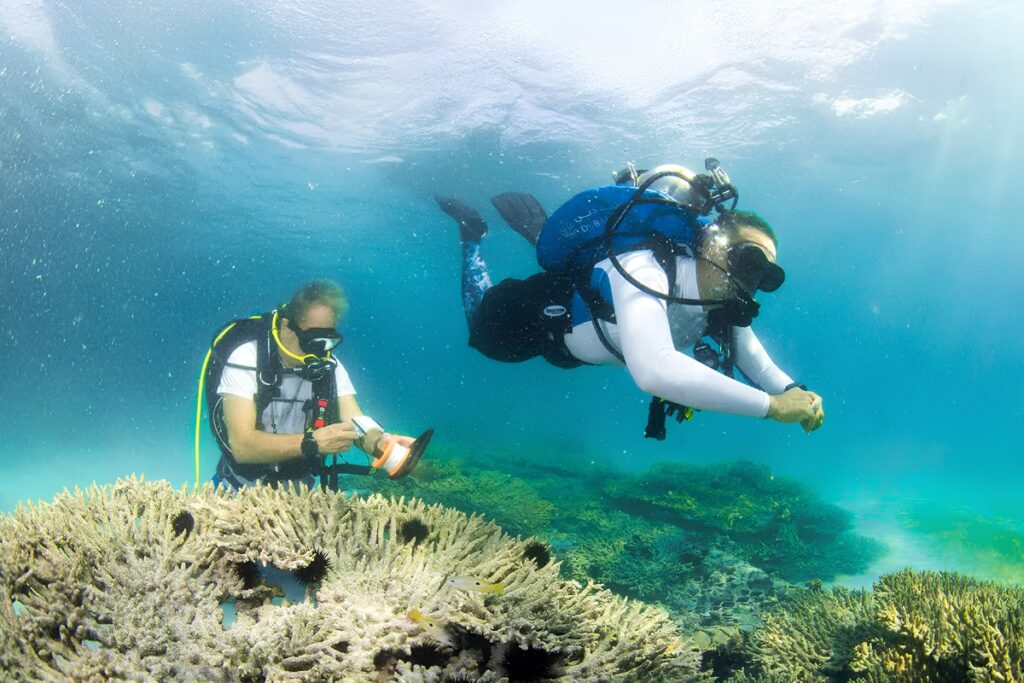
The project focuses on marine habitat restoration, coral rehabilitation and biodiversity protection. Officials say it could also support eco-tourism, marine research and long-term coastal resilience.
In a city often associated with large-scale urban development, Dubai Reef signals a growing effort to balance expansion with environmental responsibility.
7. Etihad Rail Passenger Network
The UAE’s national railway project is expected to transform regional travel once passenger services officially begin.
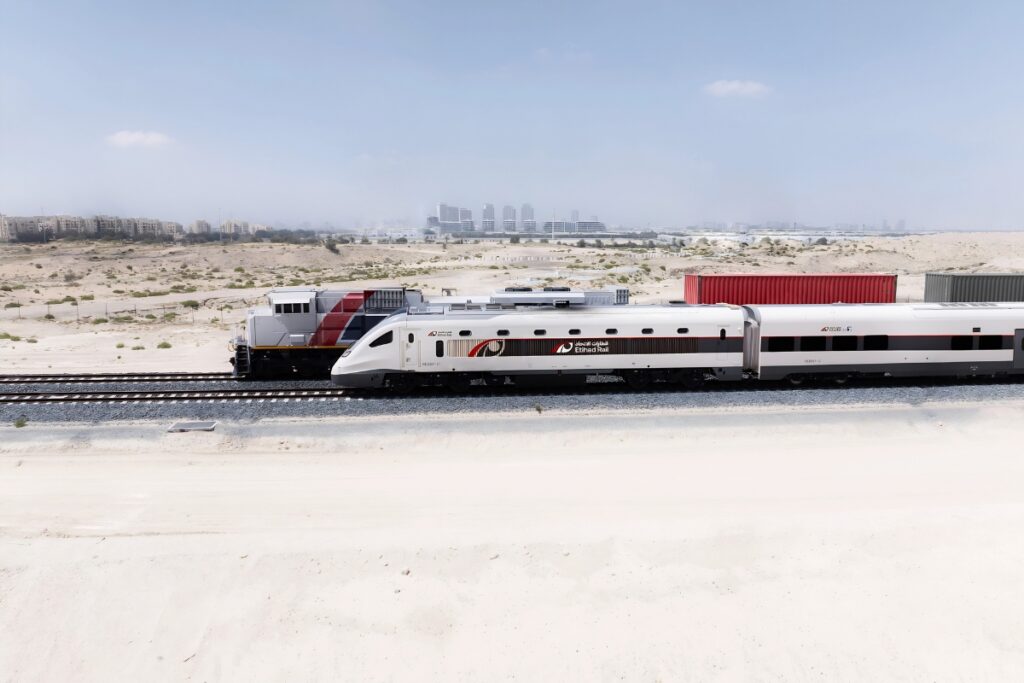
Etihad Rail will connect major cities and industrial hubs across the country while also linking to the wider GCC railway network in the future. For Dubai residents, this could eventually make travel between emirates significantly faster and more convenient.
The railway is also expected to reduce road congestion, improve freight movement and strengthen trade connectivity across the UAE.
8. Dubai Metro Blue Line
Dubai’s public transport network is preparing for another major expansion through the Dubai Metro Blue Line.
The 30-kilometre route will connect several rapidly growing communities, including Dubai Creek Harbour, Festival City, International City, Dubai Silicon Oasis, Academic City, Mirdif and Al Warqa.
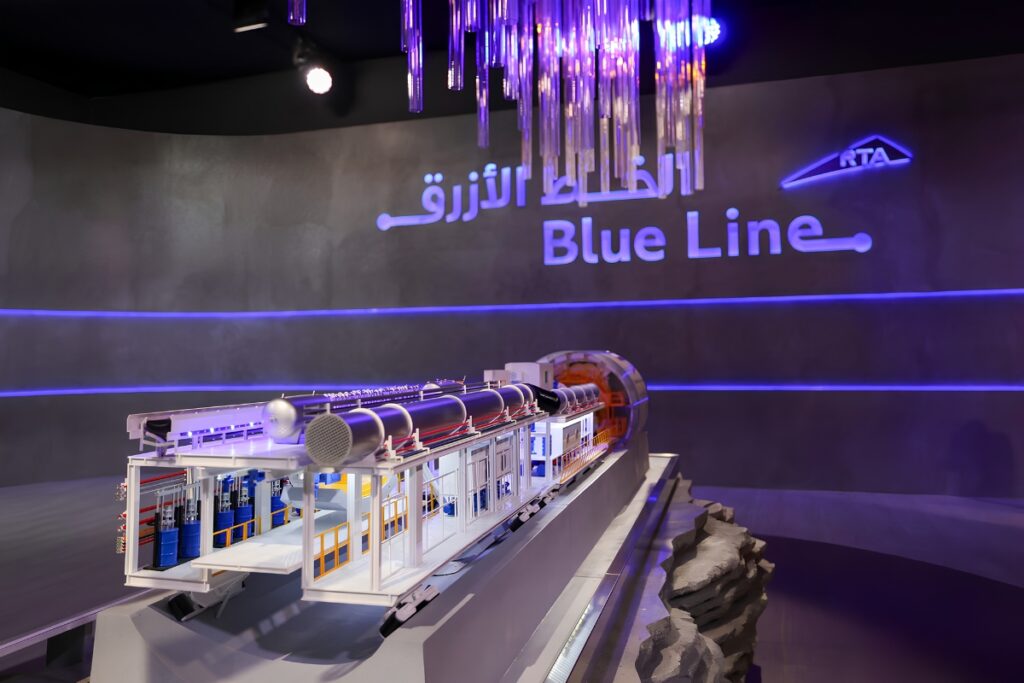
One of the project’s biggest highlights is the planned metro bridge crossing Dubai Creek, alongside what is expected to become the world’s tallest metro station at Dubai Creek Harbour.
The Blue Line is designed to serve around one million residents by 2040 and is expected to reduce traffic pressure in several residential areas currently heavily dependent on cars.
9. Therme Dubai
Dubai’s growing focus on wellness tourism is also reflected in Therme Dubai, a large-scale wellness destination planned near Zabeel Park.
The project will combine thermal pools, botanical gardens, spa facilities, indoor waterfalls and wellness experiences inside a futuristic vertical resort concept.
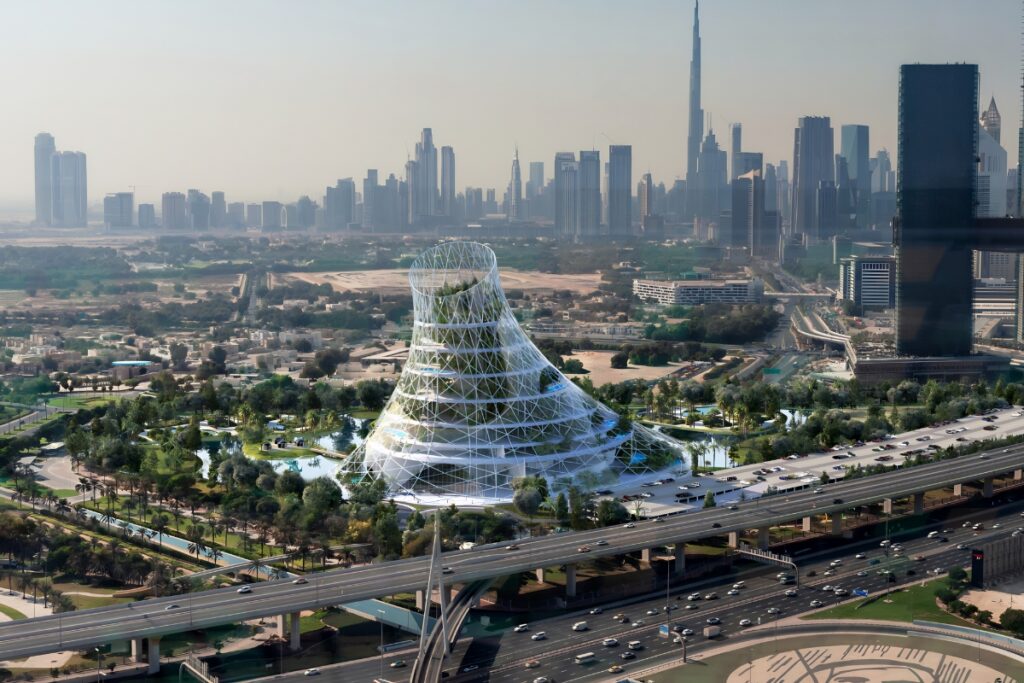
Designed as a nature-focused urban retreat, Therme Dubai aims to create spaces focused on relaxation, health and social wellbeing while introducing a new category of tourism attraction to the city.
The project is currently expected to open in 2028.
10. Dubai Walk Master Plan
Dubai’s long-term vision for a more walkable city is taking shape through the Dubai Walk Master Plan.
The initiative includes a 6,500-kilometre network of pedestrian pathways, shaded walkways, cycling routes, bridges and public spaces planned across 160 areas of Dubai.
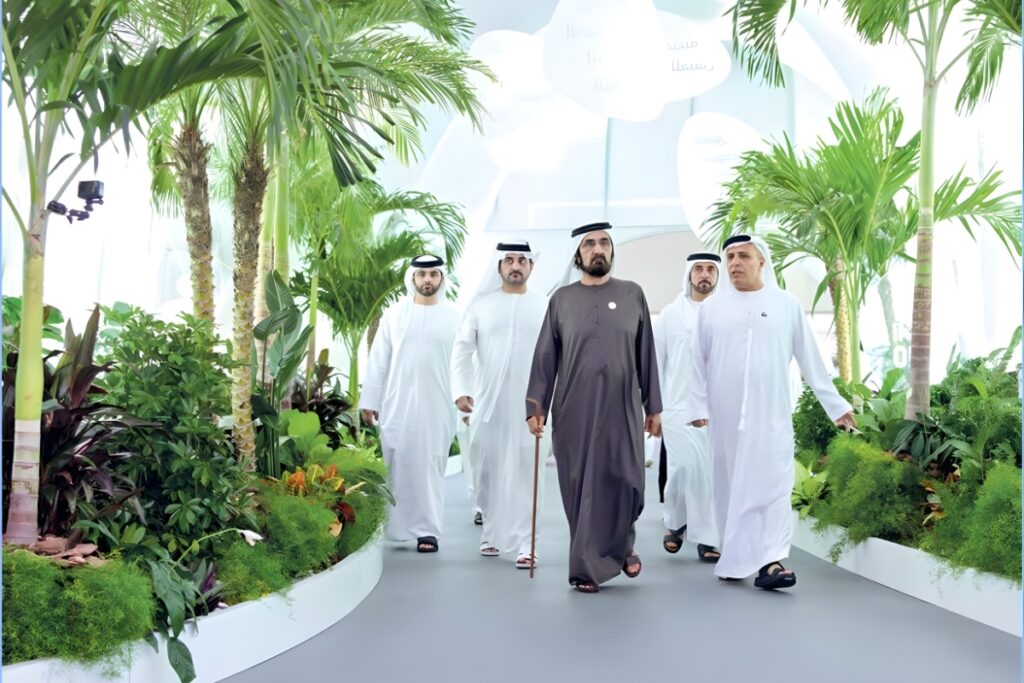
Among its most ambitious proposals is the “Future Loop” near the Museum of the Future, an elevated pedestrian corridor connecting key landmarks including DIFC, Emirates Towers and Dubai World Trade Centre.
The wider project aims to improve pedestrian safety, encourage soft mobility and make walking a more practical option across the city, particularly during hotter months through shaded and climate-adaptive infrastructure.
Dubai’s Next Chapter
Taken together, these projects reveal how Dubai’s priorities are evolving. While tourism, real estate and infrastructure remain central to the city’s growth, there is also increasing focus on sustainability, culture, mobility, wellness and quality of life.
Some projects may take years to fully materialise, but collectively they represent Dubai’s long-term ambition to remain one of the world’s most forward-looking urban centres.