

The UAE Arabic Language Law is part of a broader national strategy to strengthen the use of the language in daily life, from classrooms to public spaces, as authorities prepare to introduce a new legal framework.
The initiative, outlined by the Ministry of Culture during a recent Federal National Council session, is part of a broader 2026–2027 roadmap aimed at reinforcing Arabic as a core element of national identity while ensuring it remains relevant in a rapidly evolving, multilingual society.
A Shift From Encouragement to Regulation
While the UAE has long promoted Arabic through education and cultural initiatives, the upcoming law signals a move towards a more structured approach.
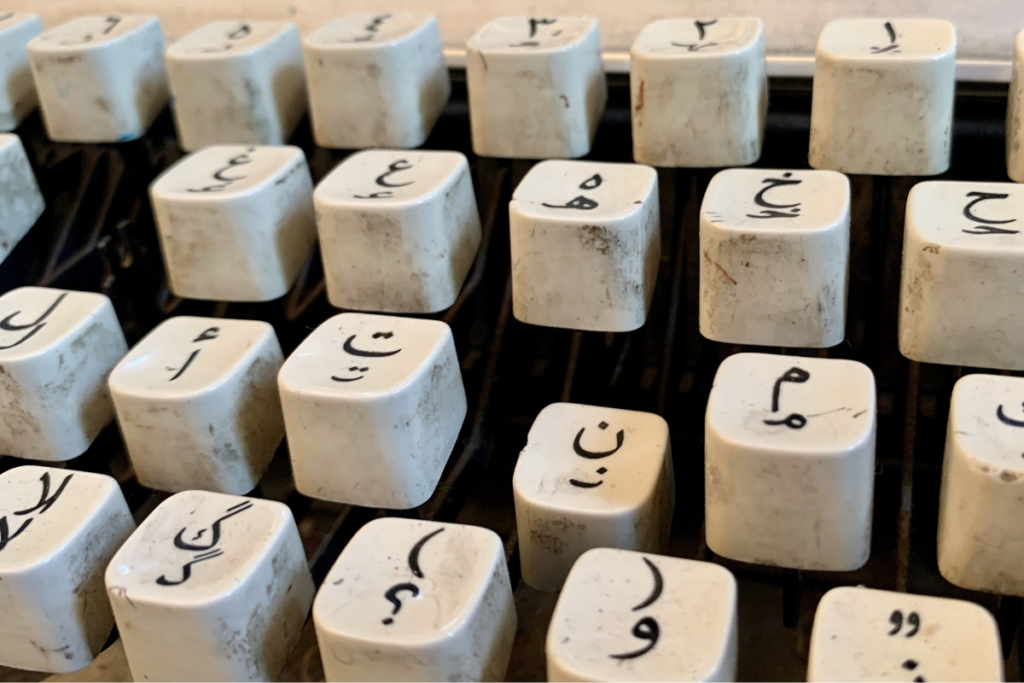
Instead of relying mainly on recommendations, the new framework is expected to introduce clear standards for how Arabic is used across sectors, including government, education, media, and business.
Officials have highlighted that the goal is not to limit the use of other languages, but to ensure Arabic maintains a strong and visible presence alongside them.
What Could Change in Everyday Life
Early details suggest the law will touch multiple aspects of daily life in subtle but noticeable ways.
In education, there is a push to strengthen Arabic teaching standards from early years through to higher education, including increasing its presence in academic subjects and improving teacher training.
In public-facing spaces, Arabic is expected to become more consistently visible. This could include requirements for its use in advertising, events, and official communications, with translation provided where needed.
There is also a growing focus on digital space, where efforts are underway to ensure Arabic keeps pace with technology, including its integration into artificial intelligence and online platforms.
Rooted in Identity, Designed for the Future
At its core, the law is tied to a broader national conversation about identity. Arabic is not only the official language of the UAE, but also a key cultural anchor in a country shaped by global connections and diverse communities.
Policymakers have pointed to the need to balance openness with cultural continuity, ensuring that Arabic remains actively used rather than gradually sidelined in everyday communication.
Part of a Wider Cultural Strategy
The law sits within a larger framework of initiatives already in progress. These include national indicators to track Arabic language usage, reading programmes aimed at building literacy, and cultural policies focused on children and families.
Together, these efforts reflect a long-term approach, where language preservation is not treated as a single policy, but as an ongoing, evolving priority.
What Happens Next
The Arabic Language Law is currently in the drafting stage and is expected to be rolled out as part of the UAE’s broader cultural roadmap through 2027.
More detailed regulations, including how the law will be implemented across sectors, are expected to be announced as it moves closer to approval.
For residents, the changes are likely to unfold gradually, shaping how Arabic appears in everyday settings rather than introducing sudden shifts.