

The history of Dubai continues to fascinate visitors and residents alike. Whether people are visiting for the first time or have lived here for years, one thing tends to surprise everyone eventually: just how quickly Dubai has changed.
Many of the city’s most recognisable landmarks are younger than the people visiting them. Areas now filled with hotels, restaurants, and residential communities looked completely different only a few decades ago. Yet Dubai’s story did not begin with skyscrapers.
Long before the record-breaking buildings and global attention, it was a small coastal settlement built around fishing, pearling, and trade. Understanding that journey helps explain not only how Dubai became one of the world’s most recognisable cities, but also why it continues to attract people from around the globe today.
Before the Skyline
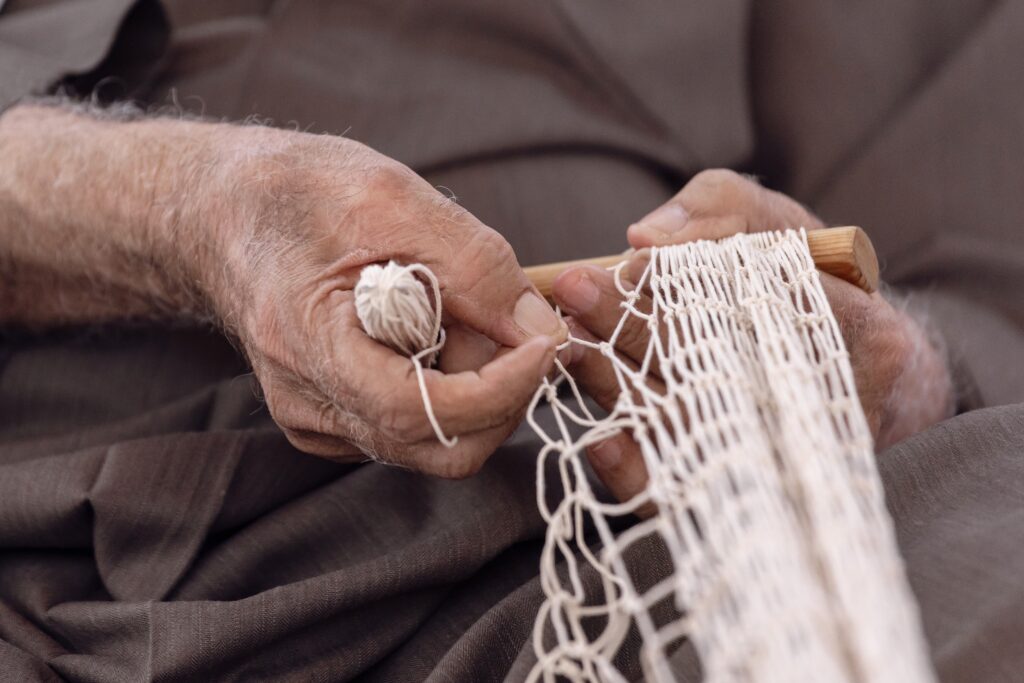
Life in early Dubai revolved around the sea. Fishing provided food and income for local families, while pearl diving became one of the region’s most important industries. During pearling season, divers would spend months at sea searching for natural pearls that were traded throughout the Gulf and beyond.
The city was small, but its location mattered. Situated along the coast and connected to important trade routes, Dubai was well positioned to benefit from commerce moving between different parts of the region. Even before the modern city existed, the foundations of Dubai’s future were already taking shape.
The Importance of Dubai Creek
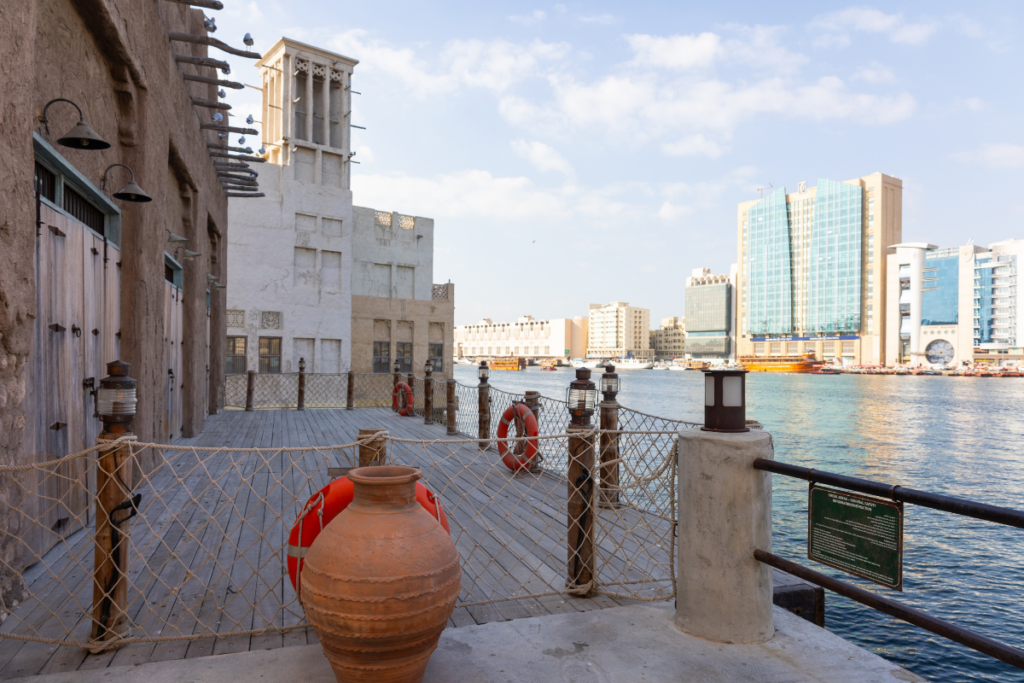
It is impossible to talk about Dubai’s history without talking about Dubai Creek. The natural waterway became the centre of economic activity, attracting merchants and traders from across the region. Goods such as textiles, spices, pearls and gold moved through the Creek, helping Dubai establish itself as a growing trading hub.
Communities developed along the waterfront. Markets expanded. Businesses opened. Over time, trade became one of the defining features of Dubai’s identity.
Even today, visitors can still experience part of that history. Traditional abras continue to cross the Creek, while the surrounding souks remain some of the city’s most fascinating places to explore.
For many residents and visitors, this part of Dubai feels completely different from the image most people have of the city, yet it tells an important chapter of the story.
Adapting Through Change
Dubai’s growth was never guaranteed. The collapse of the natural pearl industry during the early twentieth century created significant challenges throughout the region. The introduction of cultured pearls dramatically reduced demand for natural pearls, affecting communities that had relied on the industry for generations.
Many places struggled to adapt. Dubai responded by continuing to strengthen its position as a trading centre. Policies designed to attract merchants and encourage business helped keep commerce moving through the city at a time when many local economies were under pressure. Looking back, this willingness to adapt would become one of Dubai’s defining characteristics.
The Discovery of Oil
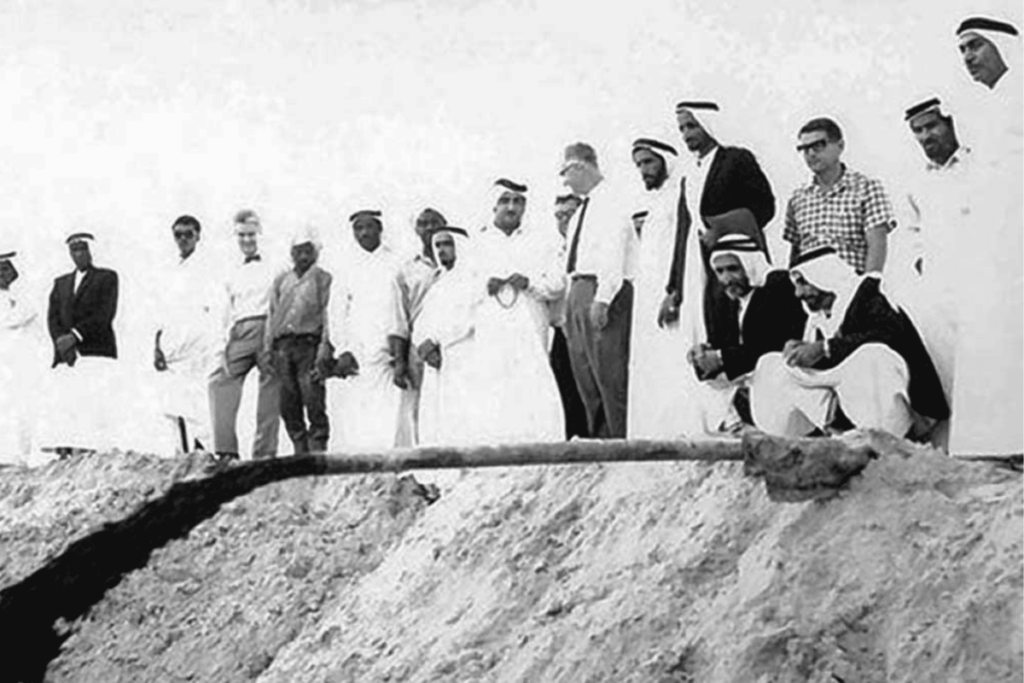
The discovery of oil in 1966 is often seen as the turning point in Dubai’s history. And in many ways, it was. Oil revenues helped fund infrastructure projects, improve public services, and accelerate development across the emirate. Roads were built. Schools expanded. Healthcare services improved. Opportunities increased.
That decision would shape everything that followed.
Building Beyond Oil
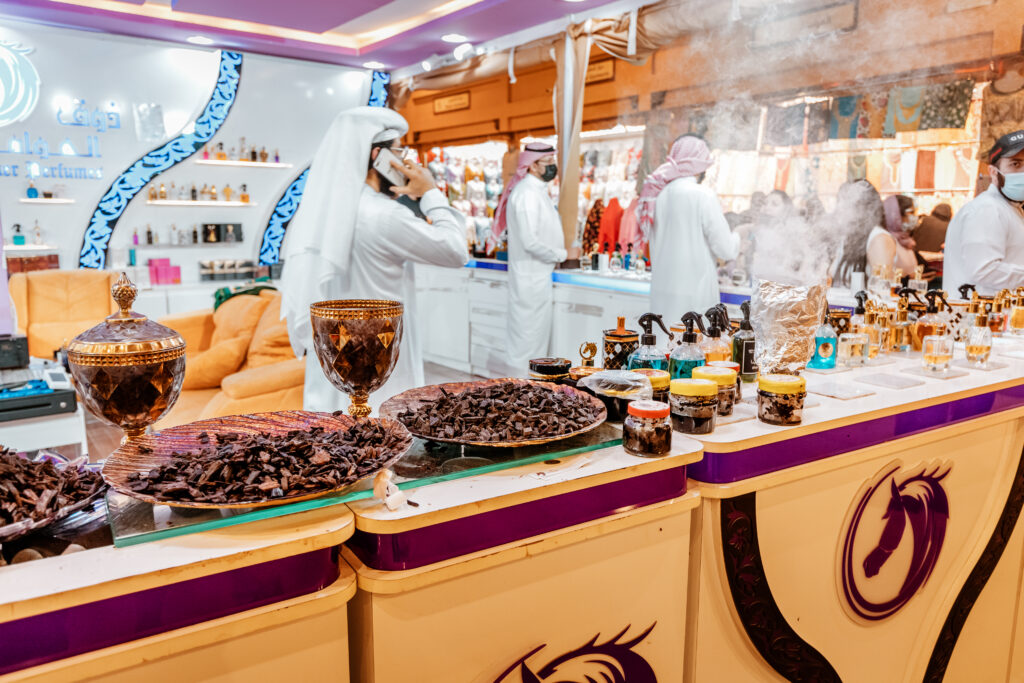
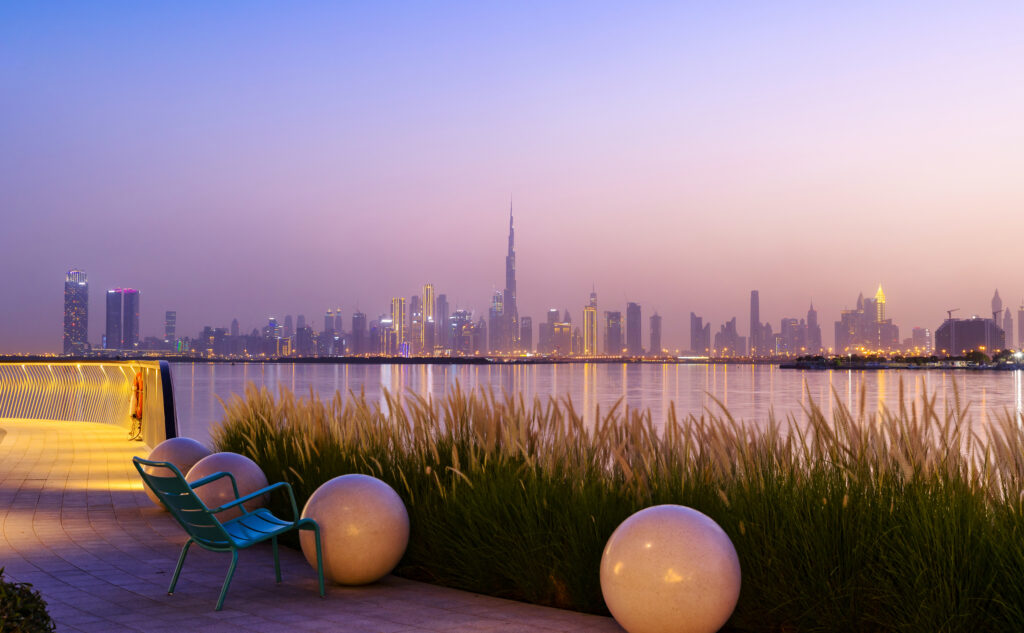
This is where Dubai’s story becomes truly unique. Many cities have experienced periods of rapid growth. What makes Dubai different is how deliberately it expanded beyond a single industry.
Trade remained important, but new sectors continued to emerge. Aviation grew. Tourism developed. Financial services expanded. Real estate projects attracted international attention. Major infrastructure investments helped connect Dubai to the rest of the world.
Projects such as Jebel Ali Port strengthened Dubai’s role as a global logistics hub, while the growth of Emirates Airline helped transform the city into one of the world’s most connected destinations.
Rather than relying on a single source of income, Dubai continually sought new opportunities. That approach remains one of the reasons the city continues to evolve today.
From Regional Centre to Global City
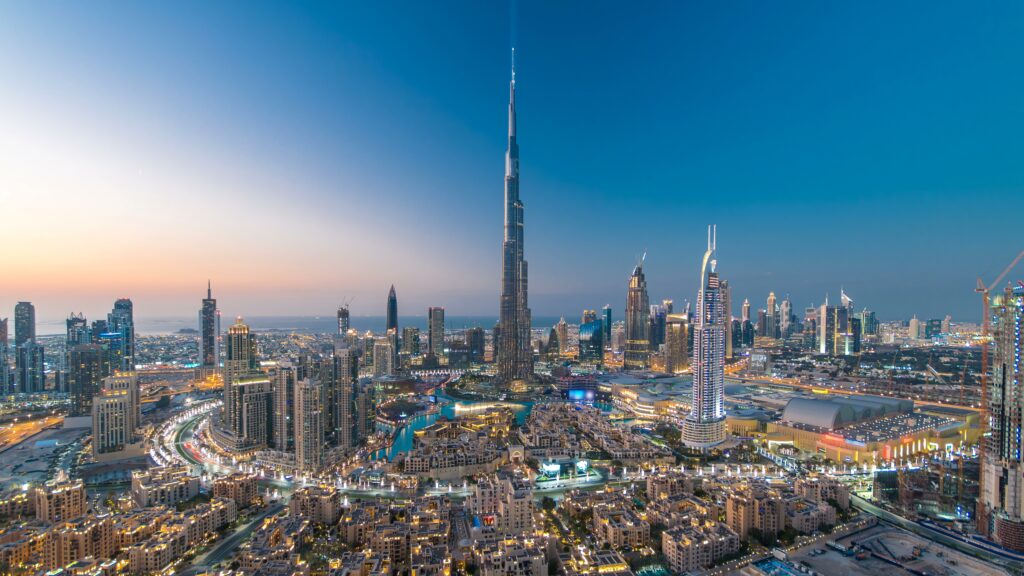
By the early 2000s, Dubai had become a city recognised far beyond the Middle East.
Visitors arrived for business, tourism, and investment. New communities emerged. International events brought global attention. People from around the world began choosing Dubai as a place to live and work.
Today, more than 200 nationalities call the UAE home, and Dubai’s international character is one of the first things many visitors notice.
Walk through the city, and it is not unusual to hear multiple languages within a few minutes. Restaurants serve food from every corner of the world. Businesses operate across international markets. Few cities have developed such a global identity in such a relatively short period of time.
Remembering Where It Started
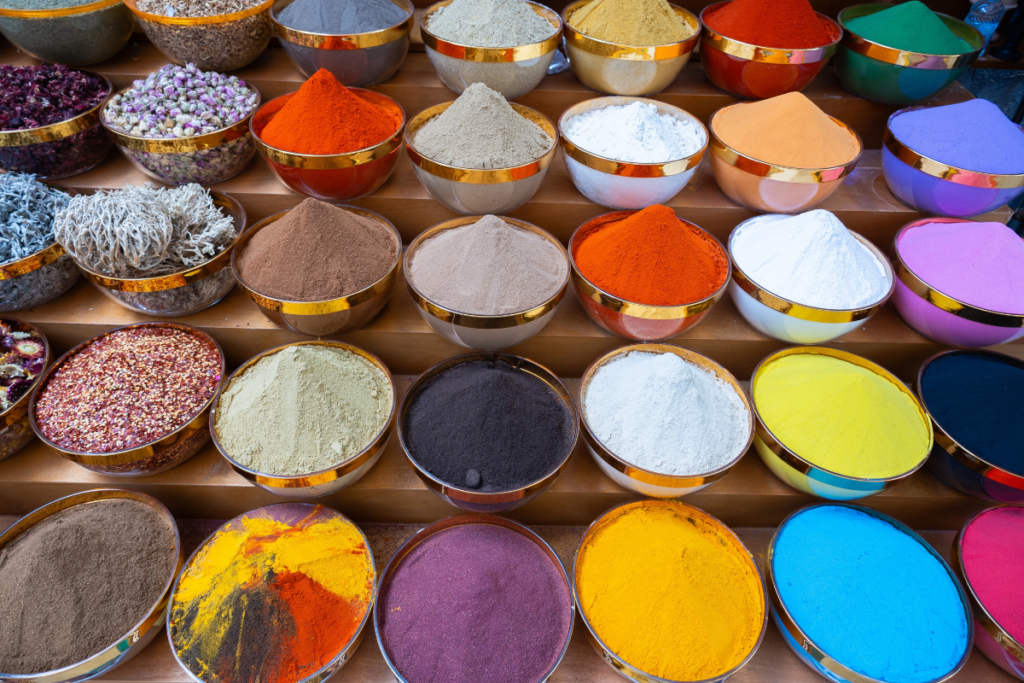
Despite the pace of development, traces of Dubai’s past remain visible throughout the city.
Al Fahidi Historical Neighbourhood offers a glimpse into life before modern skyscrapers. Dubai Creek continues to play an important role in daily life. Traditional souks still welcome visitors looking for gold, spices and textiles.
These places provide an important reminder that Dubai’s story did not begin with record-breaking buildings. It began with fishermen, pearl divers, merchants, and communities who recognised the opportunities created by the city’s location.
Final Thoughts
There is no denying that Dubai’s transformation has been extraordinary. In the space of a few generations, a small trading settlement grew into one of the world’s most recognisable cities.
Today, millions of people pass through Dubai every year. Some stay for a few days. Others stay for decades. What keeps drawing people here is not just the skyline. It is the sense that Dubai is a city that never stops evolving. Understanding where it started makes that transformation even more remarkable.
Explore more of Dubai’s heritage, culture, and iconic landmarks with The Dubai Atlas, your guide to the stories that shaped the city.