

Dubai is rethinking how people move through the city, and this time it’s not about cars. Everyday life is set to transform through the newly advancing Dubai Walk Master Plan. This is going to make getting around the city a more practical, comfortable and appealing experience.
Part of the wider vision under the Dubai 2040 Urban Master Plan, this initiative is designed to position the emirate as one of the most walkable cities in the world. It reflects a noticeable shift in urban planning, where accessibility, community spaces, and quality of life are taking centre stage.
A City Built for Walking, Not Just Driving
At its core, the Dubai Walk project focuses on building a connected network of pedestrian-friendly routes across the city. The plan outlines a 6,500km network of walkways that will eventually link neighbourhoods, public transport, and key landmarks.
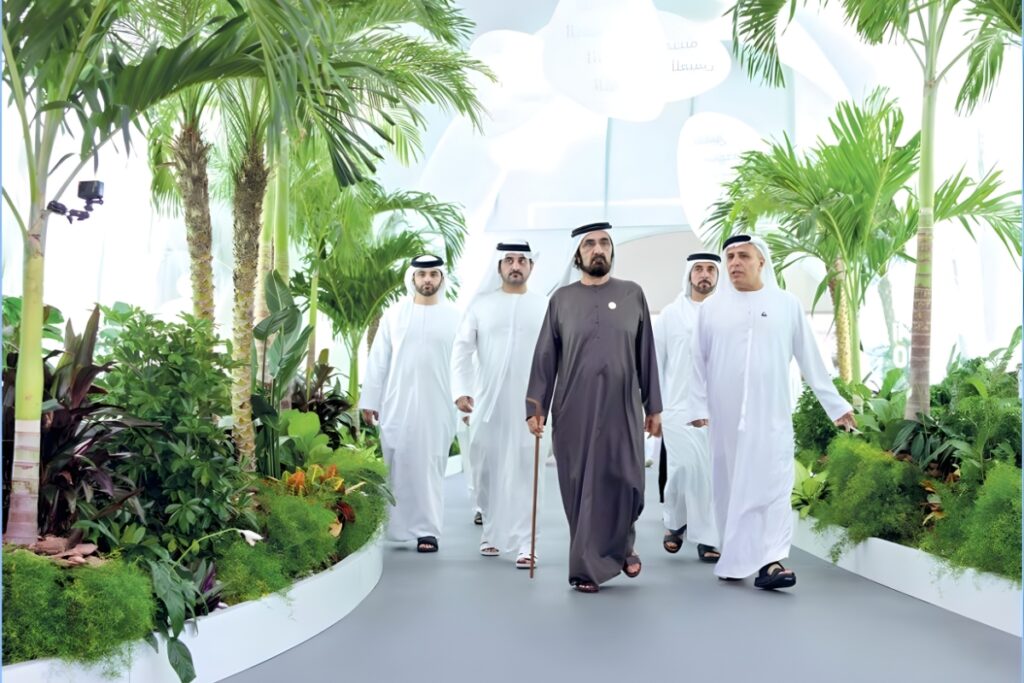
This is not just about adding more pavements. The idea is to create routes that people want to use. Shaded pathways that make walking easier even in warmer months, greener surroundings that soften the cityscape, and safer crossings that make moving between areas more seamless.
Over time, more pedestrian bridges and underpasses will be introduced, helping connect districts that previously felt divided by busy roads.
Starting with old Dubai, looking ahead to 2040
The first phase of the project is already underway in Al Ras, one of Dubai’s oldest neighbourhoods. A 12km pedestrian route is being developed here, connecting heritage sites with nearby transport links.
Starting in this area feels deliberate, building on a part of the city where walking is already part of daily life.
The Dubai Walk Master Plan also supports the vision of a “20-minute city,” where most essential services can be reached within a short walk or ride. It is a concept that signals a more balanced way of living, where convenience does not rely entirely on driving.
As the project rolls out in phases leading up to 2040, it represents a quieter but meaningful transformation. Beyond infrastructure, it is about shaping a city that feels easier to navigate, more human in scale, and ultimately, more livable.